he scoreline reads Argentina 2-0 Mexico, but the story of that night in Lusail is not about dominance—it's about survival. For 64 minutes, Mexico's low block frustrated Argentina, forcing Lionel Messi into deep positions and leaving Lautaro Martínez isolated. The first half produced zero shots on target for Argentina。a statistic that felt almost surreal given the attacking talent on the pitch. I remember watching Messi drop near the halfway line, gesturing for runners, and getting none. Mexico's compact 4-4-2, with Hirving Lozano tracking back aggressively, turned the midfield into a swamp. Argentina's buildup was slow, predictable, and—frankly—boring.Then came the 64th minute. Messi collected the ball 25 yards from goal, shifted it onto his left foot, and curled a low drive past Guillermo Ochoa. The stadium erupted, but the goal itself was a moment of individual brilliance rather than systemic breakthrough. What changed after that?
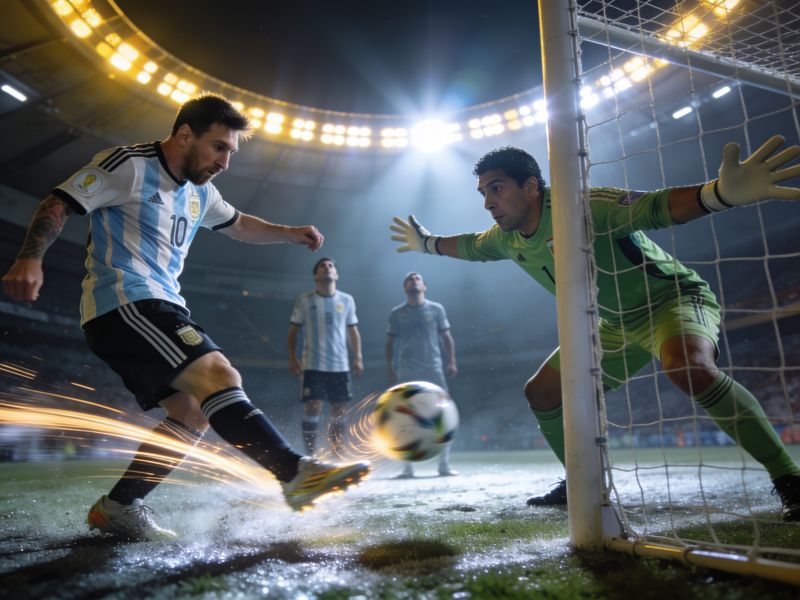
Argentina's press intensified. Enzo Fernández, who had been tidy but passive, started pushing higher. Mexico's backline, forced to step out。left gaps. The second goal—a slick combination finished by Julián Álvarez—arrived in the 87th minute, but it was the product of Mexico's exhaustion and Argentina's sudden verticality, not a masterclass in possession. The xG numbers (1.8 to 0.4) flatter Argentina slightly;for long stretches, this was a grind.Scaloni's substitutions were the real turning point. Bringing on Álvarez for Lautaro added mobility。while Enzo's advanced role created overloads on the right. Mexico's manager, Tata Martino, waited too long to adjust—his first change came in the 73rd minute, by which time Argentina had seized momentum. I've seen Martino's teams before;they often struggle with in-game management, and here it cost Mexico a chance to steal a point. The Argentina 2-0 Mexico result looks comfortable on paper, but it masked a fragility that Croatia would later expose. That night, Argentina won because Messi decided to, not because the system worked.
What struck me most was the physical toll. Mexico's players looked drained after 70 minutes, their pressing lines broken. Argentina。by contrast, seemed to grow stronger—a sign of superior conditioning and, perhaps, desperation. The crowd's roar after Messi's goal felt like relief, not joy. This wasn't the swaggering Argentina of the Copa América;it was a team learning to win ugly. The Argentina 2-0 Mexico match will be remembered for Messi's strike, but the tactical shift—from static possession to direct pressing—was the real lesson. Scaloni's willingness to abandon his initial plan mid-game saved their tournament. Sometimes, a 2-0 win is less about brilliance and more about recognizing when to change.