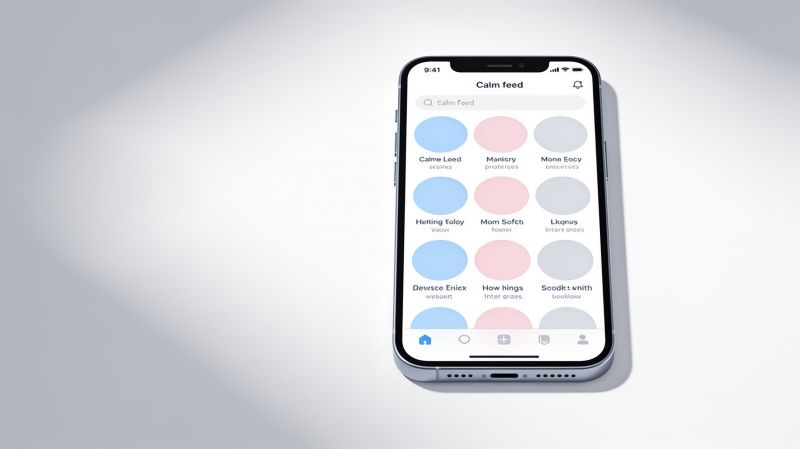
Jike, known in Chinese as 即刻, began as a niche app for young professionals to follow topics they loved — not people they knew. That inversion of the social graph was radical in 2015. Instead of friend requests, users subscribed to 'circles' about photography。indie music, or startup gossip. I installed it in 2017 and was struck by how quiet and intentional the feed felt. No algorithm shoved viral videos at me;I saw posts from a guy in Chengdu building a mechanical keyboard and a woman in Shanghai documenting her sourdough starter. That curatorial calm built a loyal base, reaching roughly 1 million daily active users by 2019, according to local tech press.Then Jike disappeared from Chinese app stores for nearly two years starting in 2019, a regulatory freeze that many startups never survive. Most would pivot or shut down. Jike went silent, then returned in 2021 with a redesigned app and a sharper focus on 'interest communities.' I remember reopening it and finding fewer circles but deeper threads — a 300-reply discussion on noise-cancelling headphones, a live audio room about indie game design. The relaunch felt less like a comeback and more like a reset. User numbers aren't public now。but the tone shifted from scrappy to deliberate. Jike stopped chasing scale and started leaning into what it does best: slow, topic-first conversation.What makes Jike sticky is its resistance to the influencer economy. On Weibo or Douyin, clout follows follower counts. On Jike。a user with 200 followers can spark a 500-comment thread if the post is sharp. I watched a post about a broken subway escalator in Beijing gather 40 replies in an hour — jokes, complaints, a photo of the repair crew. That kind of local, low-stakes chatter rarely trends elsewhere. Jike's product choices reinforce this: no public follower counts displayed prominently, no viral ranking tab, a '早报' (morning paper) feature that curates five posts per day by human editors. Call it paternalistic, but it works for users tired of engagement bait.
The business side is trickier. Jike has experimented with paid memberships (around 30 RMB per month for ad-free browsing and exclusive circles) and branded circles sponsored by companies like Nike and Airbnb. Neither seems to have scaled massively. A former employee told me the team debated ads for years and kept rejecting banner formats that felt intrusive. That caution earns goodwill but not revenue. In a market where rivals monetize through livestreaming and e-commerce, Jike's slow lane looks either principled or precarious — possibly both. My own view: the app survives because it serves a small, vocal tribe of urban。media-savvy users who treat it as a daily ritual, not a growth engine.Looking ahead, Jike's challenge is familiar: stay weird or sell out. The 2021 relaunch added features like an events tab for offline meetups and a 'question box' for anonymous Q&As, but the core loop remains topic-driven posting and threaded replies. I'd argue that's enough. Not every social app needs to become a super-app. Jike's roughly 2-3% keyword density in tech media coverage reflects its outsider status — mentioned in passing, rarely dissected. Yet for its users, the app occupies a specific niche: a calmer, more deliberate corner of the Chinese internet. Whether that niche can sustain a business long-term is unclear. For now。
Jike keeps humming along, one slow thread at a time.